Currently Empty: $0.00

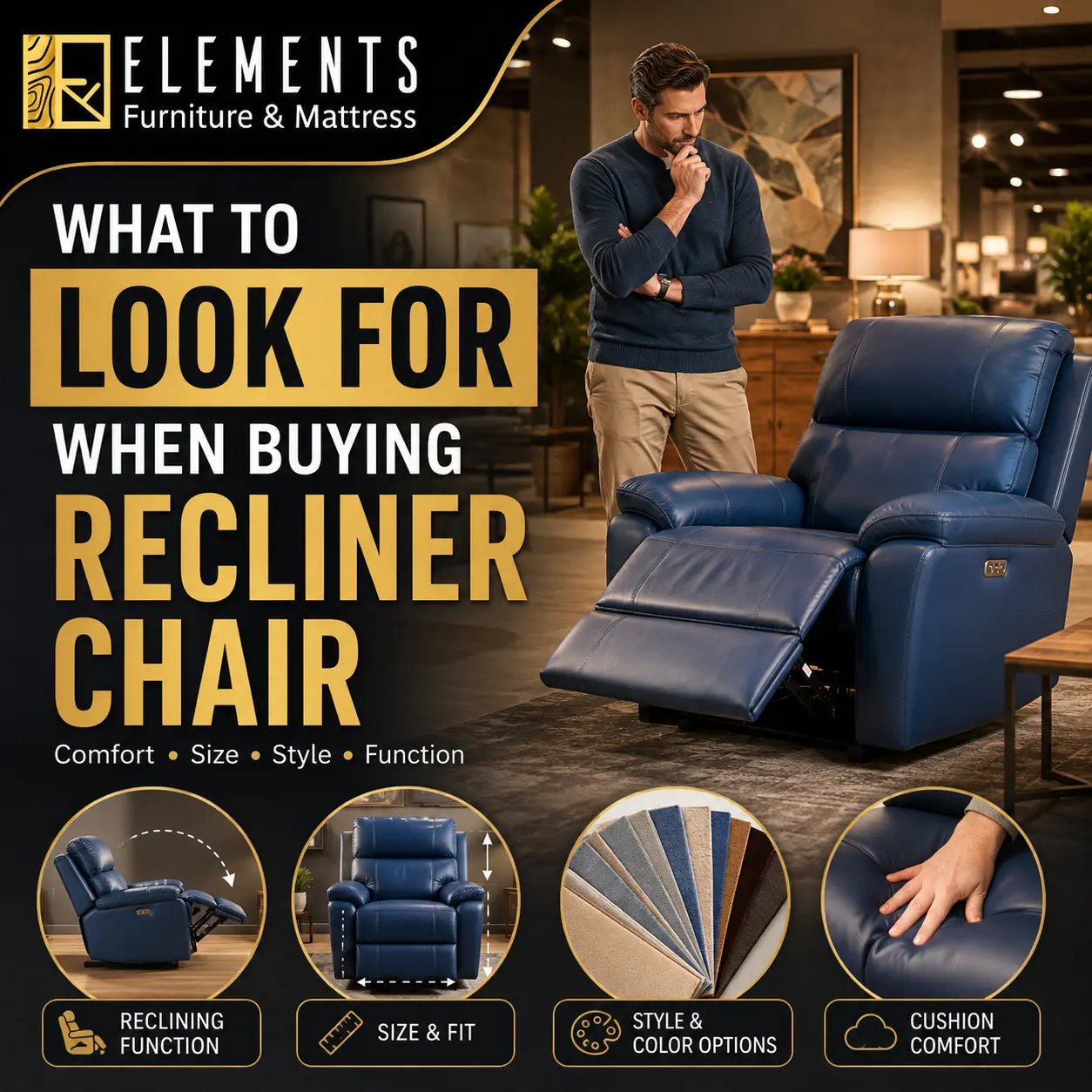
What to Look for When Buying a Recliner Chair
A recliner can become the seat everyone wants first – the spot for movie nights, afternoon reading, feeding a baby, or putting your feet up after a long day. Knowing what to look for when buying a recliner chair helps you choose one that feels great now and still fits your room, routine, and budget years from now.
Start With the Room, Not the Recliner
A plush recliner may look perfect online, but its footprint matters as much as its style. Measure the spot where it will sit, then account for the room it needs when fully reclined. A traditional recliner needs clearance behind it, while a wall-hugger design can recline closer to the wall and is often a smarter choice for apartments, condos, and smaller living rooms.
Also think about the path into your home. Measure doorways, hallways, stair landings, and elevators before you buy. Recliners are substantial pieces, and a chair that cannot make it through the front door is not the relaxing upgrade you had in mind.
Consider how the recliner will work with the rest of your seating. In a family room, it may be the comfortable anchor beside a sofa or sectional. In a bedroom, a slimmer chair with clean lines can create a cozy reading corner without making the room feel crowded. Leave enough walking space around the chair so the room stays easy to use when the footrest is open.
What to Look for When Buying a Recliner Chair for Comfort
Comfort is personal, so look beyond a product photo and think about how you naturally sit. The right recliner should support your body rather than asking you to adjust to it. If you can visit a showroom, sit in the chair for several minutes. Try the reclining position, put the footrest up, and check how easily you can get in and out.
Seat depth, height, and back support
Seat depth is one of the biggest details to get right. When you sit back, your lower back should meet the back cushion while your feet still rest comfortably on the floor. A seat that is too deep can leave shorter shoppers leaning forward, while one that is too shallow may not support taller legs.
Check the seat height as well. Your knees should bend comfortably, and getting up should not feel like a workout. A higher seat can be especially helpful for older adults or anyone who prefers easier standing. For everyday lounging, look for supportive cushioning and a back design that supports the lower back, shoulders, and neck.
Headrests vary more than many shoppers expect. A tall back works well for taller people and for anyone who likes to rest their head while watching TV. A lower profile can look more streamlined in a modern room, but make sure it still supports the parts of your body that need it most.
Cushion feel and long-term support
Soft cushions feel inviting, but extremely soft foam can lose its shape faster with daily use. A medium-firm seat often offers the best balance: comfortable for relaxing, yet supportive enough for regular sitting. High-density foam, pocketed coils, and sinuous spring support can all contribute to a more durable, comfortable seat.
If several people will use the recliner, choose a feel that works for the household rather than only the first person who tries it. A chair for a movie room may call for deep, sink-in comfort. A recliner in a formal living space may benefit from firmer cushions and a more tailored silhouette.
Choose a Reclining Mechanism That Fits Your Routine
The mechanism affects convenience, price, placement, and the look of the chair. Manual recliners usually operate with a side handle or push-back motion. They are straightforward, dependable, and often a great value for shoppers who want classic comfort without extra electronics.
Power recliners use buttons to adjust the back and footrest, making it easier to find a precise position. Some models let the footrest and back move independently, so you can raise your legs without reclining all the way. This is a worthwhile feature for frequent loungers, people who want easier operation, or households that enjoy custom comfort.
Power features do come with trade-offs. You will need access to an outlet, and the chair may cost more than a manual option. If the recliner will float in the middle of the room, plan how you will manage the cord. Battery packs can help keep the setup cleaner in some spaces.
For the most relaxing experience, consider whether you want extras such as a power headrest, lumbar adjustment, USB charging, or a swivel base. These features can be useful, but only pay for the ones you will actually use. A simple, well-built recliner is often a better value than a feature-packed chair with compromises in comfort or construction.
Pick Upholstery for Real Life
The best recliner fabric is not just about color. It should match your household, cleaning habits, and how often the chair will be used. Performance fabric and microfiber are popular for busy homes because they are soft, durable, and generally easier to clean than delicate woven materials. They are practical choices for families with children, pets, snacks, and daily activity.
Leather and faux leather deliver a polished look and wipe-clean convenience. Genuine leather can develop character over time and may last for years with proper care, but it usually comes at a higher price. Faux leather offers a similar style at a more accessible cost, though quality can vary, so pay attention to the material details and care instructions.
For a warm, casual look, textured fabric in beige, gray, taupe, or soft brown can blend easily with changing decor. A bolder blue, green, or rich caramel recliner can serve as a statement piece. Before choosing a light color, be honest about who will use the chair and whether it will sit near pets, kids, or a sunny window.
Check the Frame, Mechanism, and Weight Capacity
A stylish chair should also be built for everyday use. Look for a sturdy frame, quality hardware, and a reclining mechanism designed to operate smoothly. Hardwood, plywood, and metal reinforcement can all be part of durable construction. The exact materials matter, but so does the overall quality of the chair and its intended use.
Review the listed weight capacity, especially if the recliner will be a daily favorite. It should comfortably accommodate the person using it most often. If you are shopping for a larger body type, look for a roomy seat, supportive armrests, a taller back, and a capacity that gives you confidence.
Test or inspect how the footrest closes. It should move without sticking, wobbling, or requiring excessive force. On a manual recliner, the handle should feel secure and easy to reach. On a power model, the controls should be simple enough for everyone in the household to use without frustration.
Match the Style to Your Home
Recliners no longer have to look oversized or overly casual. Today’s designs range from classic pillow-top chairs to sleek track-arm silhouettes, tufted backs, swivel recliners, and compact accent-style options. This makes it easier to bring real comfort into the room without giving up the look you want.
Match the chair’s arm style, leg finish, and upholstery to nearby furniture. A boxy, clean-lined recliner pairs well with contemporary sofas, while rolled arms and soft cushions suit traditional or cozy spaces. If your room already has a lot of visual detail, a simple solid-color recliner can keep the arrangement balanced.
A recliner does not need to match every piece exactly. Coordinating the color family, texture, or overall style is usually enough to make the room feel pulled together. That flexibility can help you refresh one favorite seat without replacing an entire living room set.
Set a Budget Around Value, Not Just Price
The lowest-priced recliner is not always the most affordable choice if it quickly loses support or no longer fits your needs. Decide which features matter most before shopping: compact size, easy-clean fabric, power reclining, lumbar support, or a certain style. This keeps you from spending extra on features that sound impressive but will not improve your daily comfort.
Sale pricing can make upgraded materials or power features more attainable, so compare the full value of each option. Look at dimensions, upholstery, construction details, warranty information, and delivery needs alongside the price tag. At Elements Home Furnishings, shoppers can focus on finding stylish, comfortable seating that works with both the room and the budget.
The right recliner should invite you to sit down, not make you second-guess the purchase. Measure carefully, choose comfort that supports your body, and select a style made for the way your household really lives. Then make room for the moments that deserve a better seat.