Currently Empty: $0.00

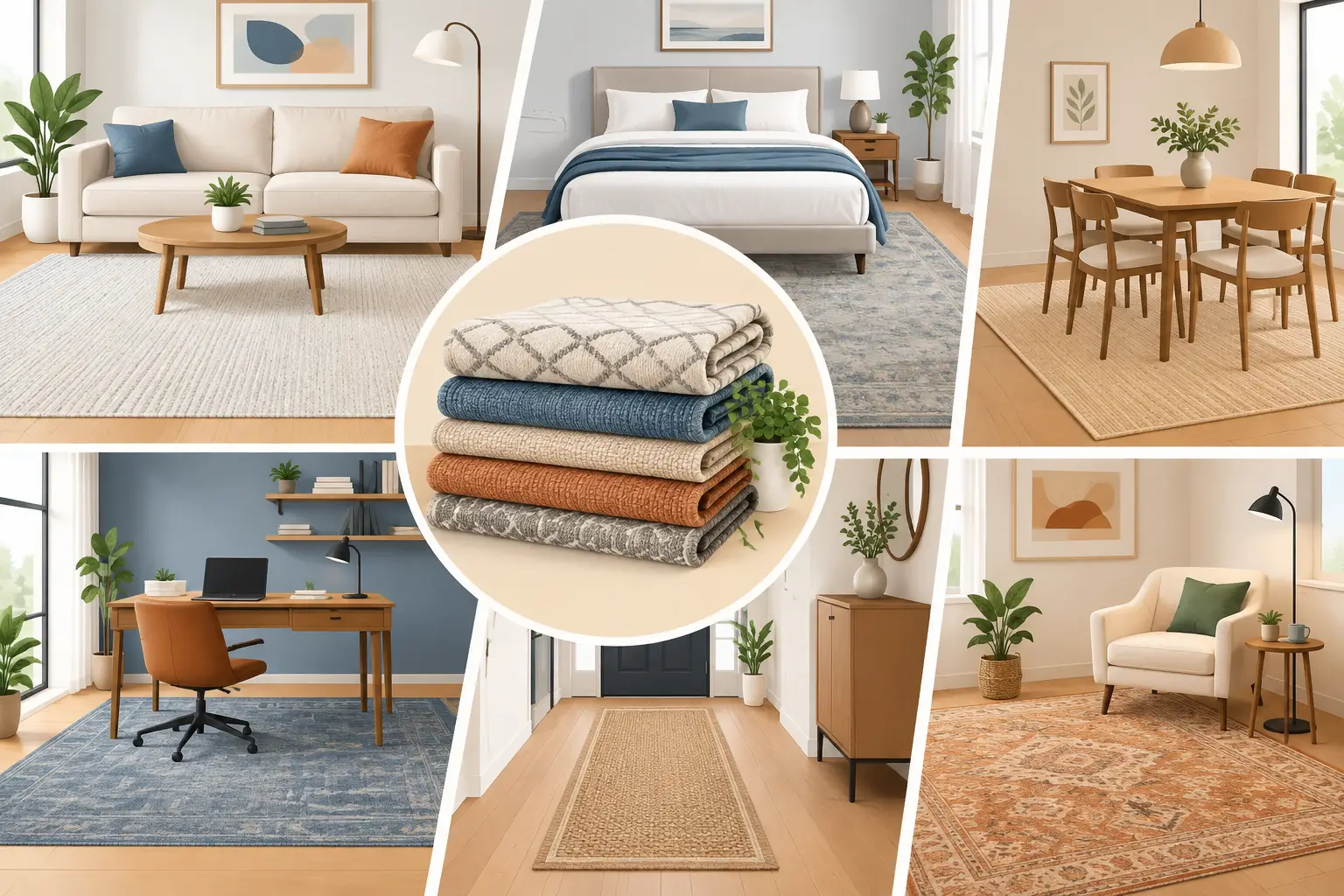
A rug can make a room look finished faster than almost any other home update. The best affordable area rugs bring in color, softness, and personality while helping define how a space is used – whether that is a first apartment living room, a busy family dining area, or a bedroom that needs a little more comfort underfoot.
The key is not simply buying the lowest-priced rug. A great value rug should fit the room correctly, handle everyday life, and work with the furniture you already own. With the right size, material, and pattern, an affordable rug can look intentional and feel like it belongs in your home for years.
What Makes an Area Rug a Smart Buy?
Price matters, but so does how well a rug performs in the room where it will live. A light-colored shag rug may feel wonderful beside the bed, for example, but it may not be the best choice beneath a dining table where spills and chair movement happen every day. Start with the room’s real needs before falling for a color or pattern.
For busy spaces, look for low-pile constructions, durable synthetic fibers, or easy-care materials that hold up to foot traffic. Bedrooms and low-traffic sitting areas give you more freedom to choose a plush texture or softer material. If pets and kids are part of the household, a patterned rug can be especially practical because it helps disguise everyday crumbs, fur, and minor marks between cleanings.
A rug should also support your layout. It can ground a seating group, create a clear dining zone in an open floor plan, or add warmth to a bedroom with hard flooring. When it solves one of these design problems, it earns its place in your budget.
Best Affordable Area Rugs by Room
There is no single best rug for every home. The best choice depends on the room, the traffic level, and the look you want to create.
Living Room: Go Larger Than You Think
In a living room, a too-small rug can make even great furniture feel disconnected. Ideally, the front legs of your sofa and chairs should sit on the rug, creating one inviting conversation area. In a larger room, a rug large enough to hold all furniture legs can make the space feel even more polished.
A neutral rug in beige, gray, ivory, charcoal, or warm tan is an easy starting point if you like to switch up pillows and décor over time. Want more personality? Choose a subtle geometric, vintage-inspired, or abstract pattern in colors already found in your curtains, artwork, or accent chairs. These styles add visual interest without making the room feel crowded.
Low-pile rugs are often a smart, affordable living room option because they are easier to vacuum and work well under coffee tables. A textured weave can deliver a cozy look without the higher price that often comes with thicker, more luxurious materials.
Bedroom: Put Comfort Where You Step
The bedroom is where softness makes the biggest difference. A larger rug placed beneath the lower two-thirds of the bed gives you a warm landing spot on both sides and at the foot of the bed. For a queen bed, an 8-by-10 rug is often a strong choice; king beds may need a 9-by-12 rug for balanced coverage.
If a large rug is not in the budget, two matching runners on either side of the bed can create a similar cozy effect for less. This is also a smart solution for small bedrooms where a large rug might overwhelm the floor.
Consider plush, medium-pile, or softly textured styles for this room. Since bedrooms usually have less daily traffic than living rooms, you can prioritize a more comfortable feel. A calm solid color, soft stripe, or muted pattern helps create the relaxed setting your bedroom deserves.
Dining Room: Choose Easy Care First
Dining room rugs work hard. They deal with pulled-out chairs, dropped food, and frequent foot traffic, so flatweave and low-pile styles are usually the most practical choice. Avoid a deep shag or thick, high-pile rug here – chair legs can catch, and cleaning becomes more difficult.
Size matters just as much in the dining room. Your rug should extend at least 24 inches beyond each side of the table, allowing chairs to stay on the rug when guests pull them back. For a standard rectangular table, an 8-by-10 or 9-by-12 rug is commonly a good fit. Round tables pair well with round rugs when the dimensions leave enough room for chairs.
Patterns are especially useful in this space. A classic medallion, subtle stripe, or multi-tone design is forgiving when life gets messy, while still giving your dining area a finished, pulled-together look.
Entryway, Hallway, and Kitchen: Choose a Runner
Runners make small, hardworking spaces feel more welcoming. In an entryway, they introduce color and texture right where guests arrive. In hallways, they soften hard floors and visually connect rooms. Along a kitchen island, they make long cooking sessions a little more comfortable.
Choose a runner that leaves a border of visible flooring on both sides. In a hallway, that usually means leaving several inches of floor exposed rather than covering wall to wall. Look for a low-profile rug with a nonslip rug pad underneath, especially in areas where people move quickly or may enter with wet shoes.
How to Pick the Right Rug Size Before You Buy
The easiest way to avoid a rug return is to measure first. Use painter’s tape to mark the rug dimensions on your floor. Walk around the outline, open nearby doors, and pull out dining chairs if needed. This quick step helps you see whether the rug will make the room feel balanced or cramped.
A few room-by-room guidelines can make decisions simpler:
- In a living room, choose a rug wide enough to reach at least the front legs of the main seating pieces.
- In a bedroom, leave roughly 18 to 24 inches of rug showing around the sides and foot of the bed when possible.
- In a dining room, make sure chairs remain fully on the rug when moved back.
- In a small room, leave a visible border of flooring around the rug to keep the space feeling open.
Do not assume a smaller rug is always the more affordable choice. A rug that is too small can make a room look unfinished, which may lead to another purchase later. Shopping sales, selecting an easy-care material, and choosing the right size the first time often delivers better value.
Materials That Balance Style and Everyday Use
Synthetic materials such as polypropylene and polyester are popular for affordable area rugs because they offer color, softness, and easier maintenance at a budget-friendly price. They are often a dependable pick for living rooms, dining rooms, homes with children, and homes with pets.
Natural fibers create a different look. Jute and sisal rugs bring warm texture and a relaxed, organic feel to a space, making them appealing beneath a coffee table or in a casual entryway. The trade-off is that they can feel rougher under bare feet and may be less forgiving with spills. They work best in dry, lower-mess areas.
Wool is naturally soft and durable, but it usually costs more. If you find a wool-blend rug at a sale price, it may be worth considering for a bedroom or living room where comfort is a priority. For many households, though, a well-made synthetic rug offers the best mix of style, care, and price.
Use Color and Pattern to Make Your Home Feel Finished
A rug does not have to match everything exactly. Instead, use it to connect the colors already in your room. If your sofa is neutral, a patterned rug can introduce energy without requiring you to replace large furniture pieces. If your furniture has bold color or strong lines, a quieter rug can give the room breathing room.
Lighter rugs can make smaller spaces feel brighter, but medium tones and layered patterns tend to be more forgiving in active homes. Darker colors can add drama, though they may show lint and pet hair depending on the fiber. Consider what you will see day to day, not only how the rug looks in a product photo.
For a coordinated look, repeat one or two rug colors in throw pillows, wall art, bedding, or tabletop décor. That small connection makes the room feel designed without requiring a complete makeover.
Make an Affordable Rug Look More Expensive
A rug pad is one of the simplest upgrades you can make. It helps prevent slipping, adds a little cushioning, and can reduce wear by keeping the rug from shifting across the floor. Choose a pad made for your flooring type, particularly if you have hardwood or luxury vinyl.
Placement matters, too. Center the rug with the furniture grouping rather than automatically centering it in the entire room. In an open-concept home, this creates clear zones for lounging, dining, and conversation. Keep furniture legs aligned intentionally, straighten the rug after vacuuming, and give it enough visible floor around the edges.
At Elements Home Furnishings, affordable rugs can be part of a complete room refresh, from the seating and accent tables to the lighting and finishing décor. Start with the size and feel your room needs, then choose a style that makes you happy to walk through the door.