Currently Empty: $0.00

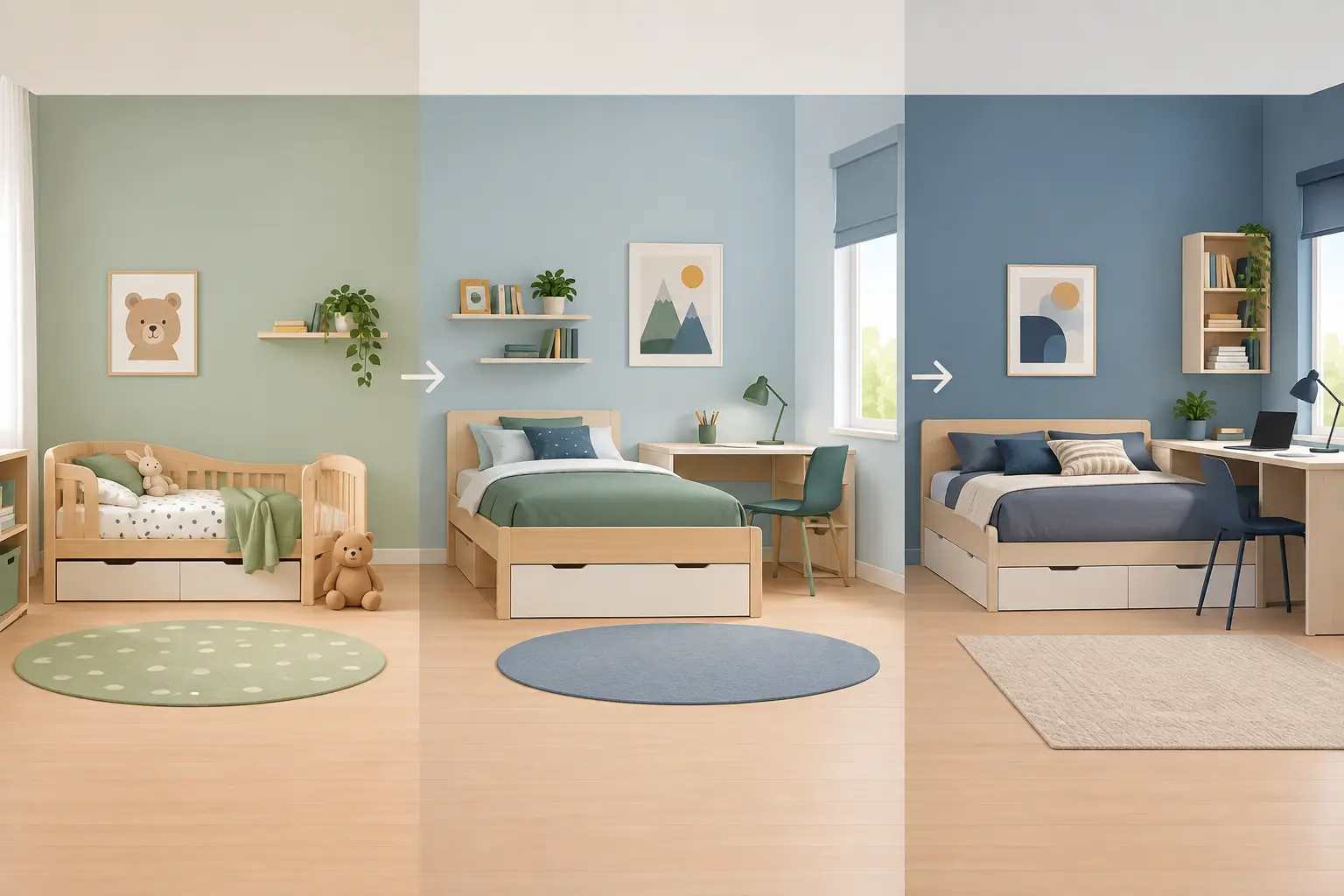
A child’s room has to work harder than almost any other space in the home. It is a bedroom, playroom, homework station, reading corner, and storage zone all at once. The right kids furniture helps keep that busy space comfortable, organized, and ready to change as your child grows.
The goal is not to fill the room with tiny pieces your family will replace in a year. It is to choose well-made essentials with practical features, a style that feels personal, and a price that leaves room in the budget for everything else a growing family needs.
Start With the Pieces They Use Every Day
A bed is usually the center of a child’s room, so start there. For younger children, a twin bed is a practical fit that leaves more floor space for play. A full bed can make sense for older kids, teens, siblings sharing a room, or families who regularly host sleepovers. If the room is tight, a bunk bed or loft bed can open valuable space below for a desk, seating, or storage.
Think beyond the mattress size when comparing beds. A low-profile frame makes it easier for smaller children to climb in independently. Built-in drawers can reduce the need for an extra storage piece. An upholstered headboard adds a softer, more finished look for older kids who like to sit up and read, game, or study in bed.
A dresser is another everyday essential. Choose drawers that can handle more than baby clothes or a small collection of T-shirts. Kids accumulate sweaters, sports gear, pajamas, art supplies, and the many little things that never seem to have a home. Deep, smooth-gliding drawers keep the room easier to maintain, especially when kids are learning to put away their own laundry.
For safety, always anchor dressers, bookcases, and other tall furniture to the wall according to the manufacturer’s instructions. This small step matters in rooms where children climb, pull, and explore.
Kids Furniture Should Make Storage Simple
A perfectly styled room will not stay perfect for long, and that is okay. The best kids’ rooms are built for real life, not constant cleanup. Storage should be easy enough for children to use without help, which usually means keeping everyday items within reach.
A bookcase works well for more than books. Use lower shelves for baskets of toys, blocks, stuffed animals, or craft supplies, and reserve higher shelves for keepsakes and display items. A storage bench can provide a spot to sit while getting dressed and hold extra bedding, costumes, or seasonal items. Nightstands with a drawer or shelf keep water bottles, favorite books, and bedtime essentials close by.
When space is limited, look for furniture that does two jobs. A captain’s bed with drawers, a desk with cubbies, or a bench with hidden storage can cut down on clutter without crowding the room. These pieces are especially useful in apartments, shared bedrooms, and smaller homes where every square foot counts.
There is a trade-off, though. Built-in storage can be a great value, but it may make a piece heavier or less flexible when you rearrange the room. If your child’s needs change often, separate furniture pieces may give you more freedom to refresh the layout later.
Create a Homework Spot That Can Keep Up
A dedicated study area helps make homework, reading, and creative projects feel more manageable. It does not have to be a large home office setup. A compact desk, supportive chair, and good lighting can create a focused spot even in a small bedroom.
For elementary-age children, a simple writing desk with room for paper, pencils, and a lamp may be all they need. As children get older, consider a wider desktop that can fit a laptop, notebook, and charging station at the same time. Drawers or a nearby file cabinet can keep school supplies from taking over the dining table.
Choose a chair that fits the child now, not one that leaves their feet dangling far above the floor. Adjustable chairs can be a smart option for growing kids, but a well-proportioned stationary chair may be the better choice when budget and space are priorities. Add a desk lamp with focused light to make reading and homework more comfortable in the evening.
Try to place the desk near natural light when possible, but avoid positioning it where glare hits a computer screen. If the bedroom is also a play space, a desk with closed storage can make it easier to tuck away schoolwork at the end of the day.
Choose Colors and Finishes With Staying Power
Children deserve rooms that reflect their personalities, but permanent furniture does not need to follow every favorite color or character phase. A bed, dresser, and desk in versatile finishes like white, warm wood, gray, black, or soft neutral tones can stay relevant through many years of changing tastes.
Bring brighter color and playful style through bedding, rugs, wall art, accent pillows, and lighting. These are easier and more affordable to update when a preschooler who loved dinosaurs becomes a teenager who wants a calmer, more grown-up room.
That does not mean every room has to be neutral. A bold bed frame or colorful dresser can make a wonderful statement if it fits your child’s style and your home. The key is balance. Pair a standout piece with simpler surrounding furniture so the room feels coordinated rather than overwhelming.
Durability matters just as much as color. Look for finishes that are easy to wipe down and materials that can stand up to everyday use. Minor marks are part of family life, but sturdy construction, stable hardware, and quality drawer operation help furniture look and function better over time.
Plan for Shared Rooms and Small Spaces
Shared bedrooms need clear personal zones, even when siblings are close in age. Matching beds can create an organized look, while different bedding and bedside accents let each child show their own personality. A shared dresser may work for younger children, but separate drawers or labeled storage bins can prevent daily mix-ups.
Bunk beds are a popular space-saving choice, but they are not the right fit for every family. Consider ceiling height, your child’s age, bedtime routines, and whether they feel comfortable sleeping on an upper bunk. If bunk beds are not ideal, two twin beds arranged along opposite walls can still leave a useful open area in the center of the room.
In narrow rooms, choose pieces with a smaller footprint and prioritize vertical storage. Tall bookcases, wall-mounted shelves installed properly, and under-bed storage can add function without taking over the floor. Leave enough open space for doors and drawers to open fully. A room may look good in a layout plan, but it needs to work on a busy school morning, too.
Know When to Buy for Now and When to Buy Ahead
Some furniture is worth choosing for the long term. A quality full bed, classic dresser, and flexible desk can move with a child from early school years through high school. These are foundational pieces that can adapt with new bedding, décor, and room layouts.
Other items can be more age-specific. A small toy organizer, child-sized table, or themed accent piece can be useful for a season without needing to last forever. Mixing investment-worthy basics with affordable fun pieces is a practical way to create a room your child enjoys right now.
Before buying, measure the room, map out door swings and windows, and note where outlets are located. Measure the furniture too, including drawer clearance and bed rails. A few minutes of planning can prevent a beautiful new piece from feeling too large once it arrives.
At Elements Home Furnishings, families can shop bedroom essentials, storage pieces, mattresses, lighting, and accents with style and value in mind. Build the room around comfort first, add storage that makes everyday routines easier, and leave room for your child to make the space their own.