Currently Empty: $0.00

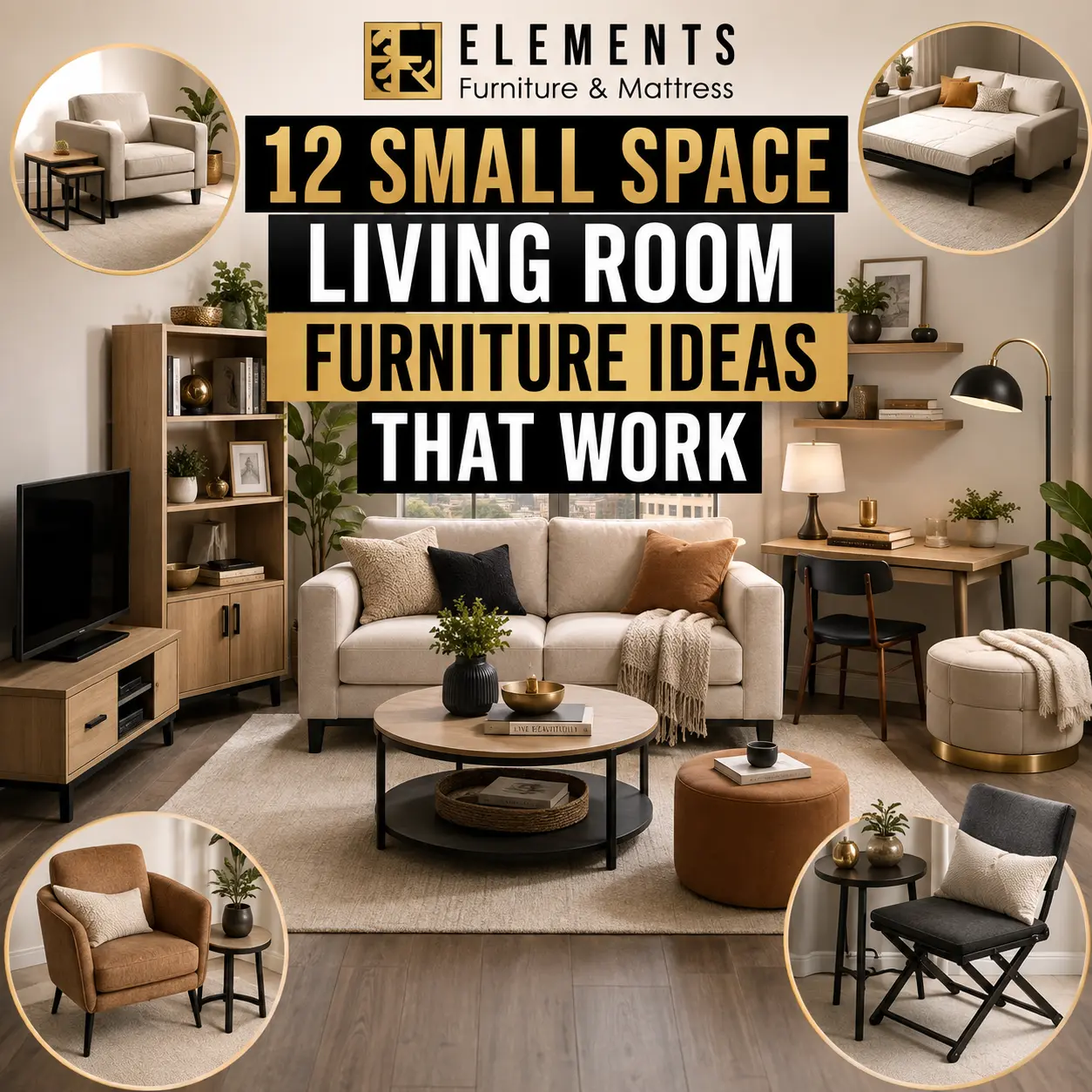
12 Small Space Living Room Furniture Ideas That Work
A small living room has to work harder than almost any other room in the home. It may be your movie-night lounge, work-from-home corner, guest space, and everyday landing spot all at once. The best small space living room furniture ideas do not simply mean buying smaller pieces. They help you create a room that feels comfortable, open, and ready for real life.
Start with what the room needs most. If you host friends, prioritize flexible seating. If clutter is the problem, make storage part of the furniture plan. If your living room opens into a kitchen or entryway, choose pieces that give the area a clear purpose without blocking the flow.
1. Choose an Apartment-Size Sofa
A sofa is usually the largest item in the room, so its scale sets the tone for everything around it. An apartment-size sofa gives you the comfort of a full sofa with a shorter overall width and a shallower profile. That can free up valuable walking space without forcing everyone onto a loveseat.
Look for raised legs, clean lines, and arms that are not overly wide. These details allow more floor to show, which makes the room feel less crowded. A low-back sofa can also work well beneath a window, but it may not offer the neck support you want for long movie nights. Comfort still matters, so sit back and think about how you actually relax.
2. Let a Sectional Define the Room
A sectional is not automatically too big for a small space. In the right layout, a compact two-piece sectional can replace a sofa and extra chair while giving everyone a place to sit. A chaise sectional is especially useful when you love to stretch out but do not have room for an ottoman.
The trade-off is flexibility. Once a sectional is in place, it often determines where every other piece goes. Choose a reversible chaise when possible, so you can switch the configuration if you move or rearrange the room. Keep the chaise side away from the main walkway to avoid creating an obstacle course between the sofa and kitchen.
3. Add Storage With an Ottoman
A storage ottoman earns its place in a small living room. It can hold throw blankets, remotes, board games, and extra pillows while serving as a footrest or casual coffee table. Add a sturdy tray on top, and you have a level surface for drinks and snacks.
For very tight rooms, choose a round ottoman. Its softer shape makes it easier to walk around, especially in apartments where the coffee table sits close to the sofa. A rectangular storage bench works well when you need more hidden storage and a little extra seating.
4. Use Nesting Tables Instead of a Large Coffee Table
A bulky coffee table can take over a compact seating area. Nesting tables offer a smarter approach because you can pull them apart when guests arrive and tuck them together when you need open floor space. They are also easier to move for cleaning, game night, or a quick furniture refresh.
If you prefer one central table, try a small round coffee table with an open base. Round edges improve traffic flow, while an airy base keeps the room from feeling visually heavy. Skip oversized tables that force you to squeeze between the sofa and the screen. A little breathing room is worth more than a huge tabletop.
5. Pick Accent Chairs That Do More
An accent chair adds personality, but it should not become a permanent pile of laundry or a piece you have to maneuver around. In a small room, consider a slipper chair, armless chair, or slim swivel chair. These styles offer seating with a lighter footprint than a deep, oversized recliner.
Swivel chairs are particularly helpful in open-concept homes because they can turn toward the television, a conversation area, or the dining space. If you need an occasional extra seat, a compact upholstered chair can also be moved into a bedroom or home office when the living room needs more floor space.
6. Go Vertical With a Slim Bookcase
When square footage is limited, the walls can do more of the work. A tall, narrow bookcase gives you a home for books, baskets, framed photos, and decorative accents without using the width of a large storage cabinet. Choose open shelving if you want an airy look, or use a mix of shelves and closed drawers to hide everyday clutter.
Keep styling simple. A crowded bookcase can make a small room feel busier, even if it is technically organized. Leave some open space between objects, use matching baskets for smaller items, and limit the number of colors on display.
7. Try a TV Stand With Closed Storage
A television setup can easily become the clutter center of the living room. A TV stand with cabinets or drawers keeps gaming accessories, cords, manuals, and media items out of sight. It also creates a more finished look than placing a TV on a small table that was never meant to hold it.
Measure before you shop. Your stand should be wider than the television for balance, but it should not dominate the entire wall. In a narrow room, a low-profile media console can make ceilings appear higher and leave room above for artwork or a mirror.
8. Use a Console Table Behind the Sofa
If your sofa floats in the room instead of sitting against a wall, a slim console table can make that arrangement feel intentional. It creates a place for a lamp, a drink, or a charging station without adding another large piece near the seating area.
Choose a narrow design so the walkway stays clear. Some console tables include shelves below for baskets, which is an easy way to store magazines, pet supplies, or throw blankets. This is one of the most useful small space living room furniture ideas for open floor plans where the back of a sofa is visible from the entry or dining area.
9. Consider a Sleeper Sofa for Guest-Ready Comfort
A sleeper sofa is a practical choice when your living room occasionally becomes a guest room. Modern options come in styles that feel like everyday seating first, so you do not have to sacrifice the look of your space for overnight flexibility.
Before choosing one, check how much clearance it needs when opened. A sleeper sofa can solve the guest-bed problem, but not if it blocks every path through the room. If overnight guests are rare, a storage ottoman with a foldable mattress may be the more space-efficient option.
10. Keep Legs Visible When You Can
Furniture that sits directly on the floor can look grounded and cozy, but it may make a small room appear heavier. Sofas, chairs, consoles, and media stands with exposed legs reveal more floor area, creating a more open visual effect.
This is not a strict rule. A low, legless media console may be perfect in a modern room, and a skirted sofa can bring warmth to a traditional space. The goal is balance. Pair one visually solid piece with lighter pieces around it rather than filling the room with bulky, boxy furniture.
11. Use One Statement Piece, Not Five
Small rooms can absolutely have personality. The key is choosing a focal point instead of competing for attention everywhere. That may be a rich-color sofa, a textured accent chair, a bold rug, or an eye-catching lamp.
Once you choose the statement piece, let the rest of the furniture support it. Neutral upholstery, simple tables, and coordinated finishes make the room feel pulled together. This approach also helps value-conscious shoppers invest in one look they love while keeping the rest of the room affordable and easy to update later.
12. Measure the Room, Then Measure Again
The easiest way to make a small living room feel smaller is to buy furniture based on a photo instead of a floor plan. Measure the room’s length and width, door swings, windows, radiators, and walkway areas. Then use painter’s tape on the floor to map out the footprint of the sofa, tables, and chairs.
Leave about 30 to 36 inches for main walkways when possible. Between a sofa and coffee table, 16 to 18 inches is usually comfortable. These numbers can shift in a very compact apartment, but the point is to plan movement before the delivery day.
Elements Home Furnishings makes it easier to build a coordinated room with seating, accent furniture, rugs, lighting, and storage pieces designed for everyday comfort and approachable style. Shop by the way you live, not just by what looks good in a product photo.
A smaller living room does not need more furniture to feel complete. It needs the right pieces in the right proportions. Choose furniture that earns its footprint, keep pathways open, and leave enough room to enjoy the home you are furnishing.